
Proctological surgery is undergoing a phase of significant evolution thanks to the introduction of increasingly innovative therapeutic approaches. Among the emerging strategies of greatest interest is regenerative surgery, a technique already widely established in medical fields such as orthopedics, dermatology, and plastic surgery, and which is now finding valuable applications also in the proctological field. But what does regenerative surgery actually involve? What are its mechanisms of action, and what new perspectives does it offer in the treatment of proctological conditions?
How regenerative medicine works
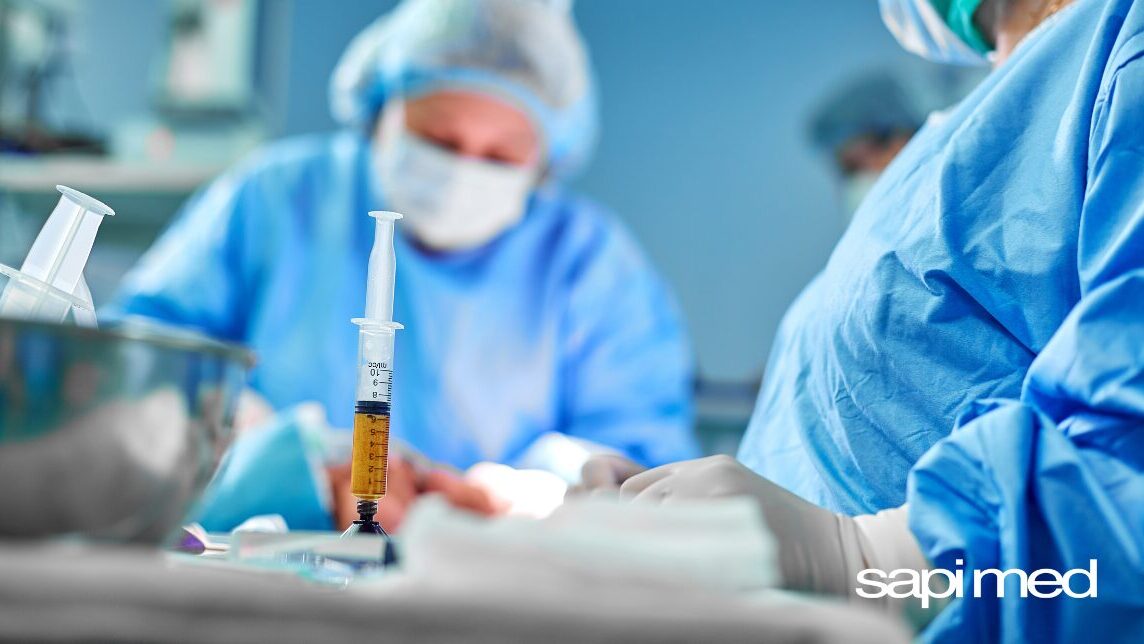
The term “regenerative medicine” refers to a set of therapeutic strategies aimed at stimulating and accelerating the body’s natural processes of tissue repair and regeneration. These techniques include those based on the use of adult autologous mesenchymal stem cells, meaning cells that are harvested and reintroduced into the same patient, thereby eliminating the risk of immunological rejection. One of the tissues richest in these cells is adipose tissue, which can be easily harvested from the abdomen or, in patients with a low body mass index, from the hip or gluteal regions.
The biological properties of ADSCs
Adipose-derived mesenchymal stem cells (Adipose-Derived Stem Cells – ADSCs) play a key role in the injured microenvironment through a series of synergistic biological actions:
- Paracrine stimulation: they secrete growth factors and chemical signals that “awaken” and recruit healthy cells already present within the patient’s tissue, encouraging them to proliferate and actively repair the lesion.
- Pro-angiogenic action: they stimulate the formation of new small blood vessels (capillaries). This mechanism is fundamental in damaged or sclerotic tissues, as it restores the supply of oxygen and essential nutrients where vascularization was insufficient.
- Immunomodulation: they significantly reduce local inflammatory states thanks to their ability to modulate a wide range of immune system cells, including B and T lymphocytes, neutrophils, and Natural Killer (NK) cells, thereby blocking the progression of tissue damage.
- Antifibrotic action: they counteract the formation of rigid scar tissue (fibrosis). They finely regulate collagen deposition to ensure that the tissue heals while preserving its natural softness and elasticity.
- Anti-apoptotic action: they release biochemical signals that protect surrounding healthy cells already subjected to cellular stress, preventing programmed cell death (apoptosis) and preserving the integrity of viable tissue.
And in proctology?
The use of regenerative techniques in proctology is a continuously evolving field, driven by the constant goal of improving tissue healing, reducing the risk of recurrence, and preserving anal sphincter function, thereby making a decisive contribution to improving patients’ quality of life. Conditions that may benefit most from this approach include:
- Complex or recurrent anal fistulas
- Rectovaginal fistulas
- Fecal incontinence
- Postpartum pelvic floor injuries
- Sphincter repairs
- Perineal body injuries
- Anal fissures resistant to conventional therapies
- Complex and recurrent pilonidal sinus disease
- Chronic pelvic pain.
It should be emphasized that regenerative medicine does not replace traditional proctological surgery, but rather represents a valuable complement. When integrated with conventional treatments, it can promote improved tissue healing and optimize therapeutic outcomes, especially in patients with chronic, recurrent conditions or those characterized by reduced tissue repair capacity. Each therapeutic pathway must nevertheless be defined based on an accurate specialist evaluation by a proctologist. Not all patients are suitable candidates for regenerative procedures, and treatment indications depend on the specific condition, individual clinical characteristics, and therapeutic goals, within the framework of a personalized approach.
❗The contents of this page are for informational purposes only and should in no way replace the advice, diagnosis, or treatment prescribed by your physician. Responses to the same treatment may vary from patient to patient. Always consult your doctor regarding any information related to diagnoses and treatments, and meticulously follow their instructions.